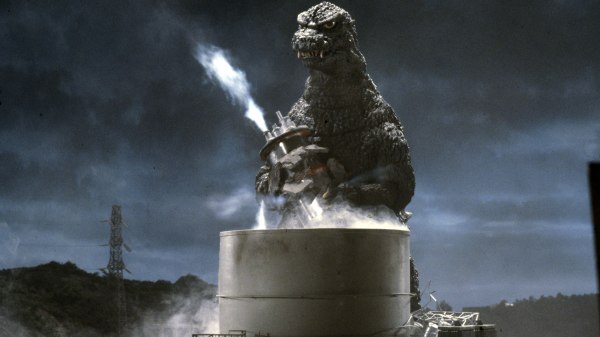
 This Godzilla film was released with a few different titles. Return of Godzilla, Godzilla 1984, Godzilla and Godzilla 1985 (The American Edit). The American Godzilla 1985 brings back Raymond Burr’s Steve Martin. But if you watch the original version of the film (Godzilla 1984 or Return of Godzilla) you will not deal Burr at all. This review is of the original Japanese version of the film.
The 1984 film is notable for a return to a more serious treatment of Godzilla that we had seen for many years, where Godzilla became more of a kid’s hero. This film has no monsters. Ignoring thirty years of films, Return of Godzilla features no monsters outside of Godzilla himself, and a more dramatic tone. The film is meant as a direct sequel to the 1954 original. When it is discovered that Godzilla is back, the Japanese Government tries to keep it a secret. Only when the world is on the verge of nuclear war do they confess the truth.
The story works quite well. Godzilla’s motive is simple, he is seeking food and, well, he eats nuclear power. There is political intrigue as a reporter tries to expose the truth about the return of the giant beast.By and large, most of the characters are likable, if rather simplistic in motivations.
Visually, while the budget is larger, the studio sticks with what works. By 1984, they had improved some of the technology greatly. Godzilla’s face is a bit more emotive in the film. Overall, this is a rather successful sequel that appeals to those who appreciate the charms of the original classic.

 King Kong Escapes features King Kong fighting a robot version of himself created by an evil organization bent on taking over the world. The leaders of this plot are Madame Piranha (Japanese Version)/Madame X (the American version) and a guy named Dr. Who. While the evil organization perfects Mechakong, an American/Japanese team is hunting for the real Kong, seeking him on Mondo Island.
 A direct sequel to 1976’s remake of King King, we discover that that Kong did not die from being shot up and falling from a tall building. He merely went comatose.
 In 1976, we saw the first King Kong Remake. Producer Dino De Laurentiis had this made amid legal hassles over who actually owned the rights to King Kong. The setting is moved to the 1970’s and it is a new batch of characters. Fred Wilson is an oil executive trying to reach the newly discovered Skull Island. He is certain it will be a treasure trove of fossil fuels. Jack Prescott is a primate paleontologist who stows away. He ends up being used as the staff photographer. Finally, the freighter comes upon a raft with the unconscious Dwan, a beautiful young blonde.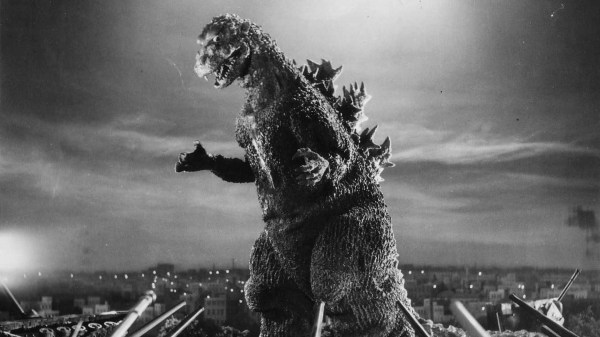
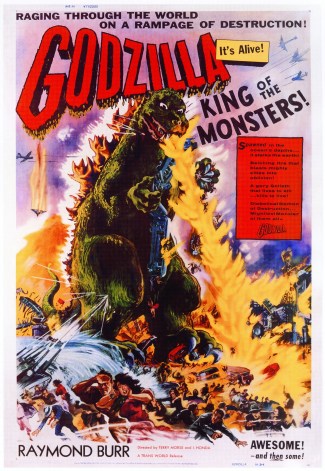 Filmmakers wanted to bring Godzilla to American audiences, and what they thought Godzilla needed was a white guy’s perspective. Godzilla: King of Monsters was not so much a remake as it was a revision of the original film. Adding footage of Raymond Burr, the film becomes a narrated flash black.
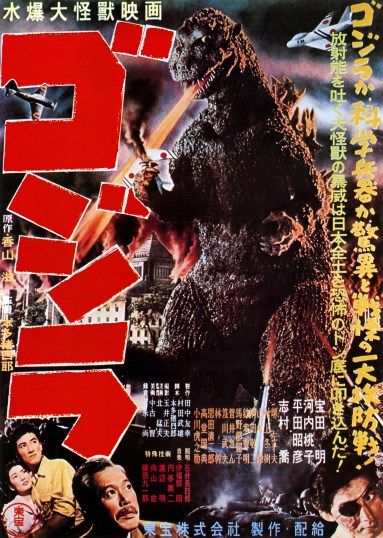 In 1954 with fears of nuclear annihilation feeding filmmakers hearts, it is no surprise Japan provided the most memorable monster of all.
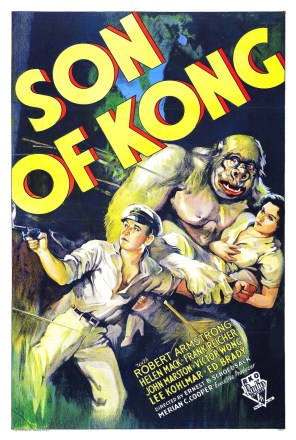 King Kong was quickly followed up by Son of Kong.
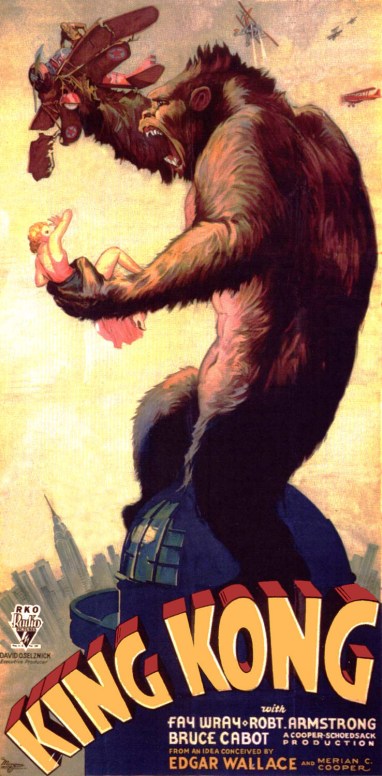 In 1933, Merian C. Cooper began making giant ape movies. King Kong still stands as the most memorable. Carl Denham is committed to make an epic film on the newly discovered Skull Island. Bring his cast and crew, they discover horror as Ann Darrow is kidnapped by the native people and sacrificed to Kong.
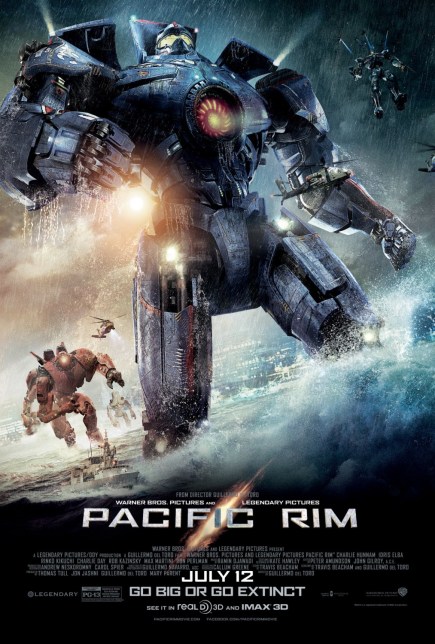 Guermillo Del Toro is a man of unique vision. He always has his own take on traditional monsters. In Cronos, he tackled vampires in a heartbreaking tale of a grandfather who finds a mysterious device. Both Crimson Peak and the Devils Backbone are period pieces focusing ghost stories where humans are the truly frightening characters. And so we find that del Toro’s love letter to Japanese giant Monster movies and Anime mech cartoons and brought together with his own vision.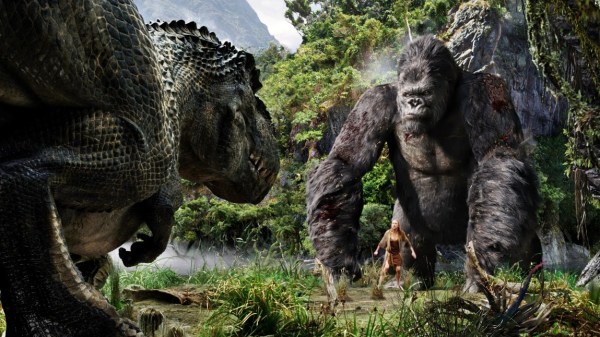
 Following the smashing success of the Lord of the Rings films, Jackson had the cred to get a pet project off the ground. A remake of 1933’s classic King Kong. He wanted to make an epic, and it is far from the cheesey camp of the 1976 film starring Jessica Lang, Jeff Bridges and Charles Grodin.
 Tripping Through Gateways