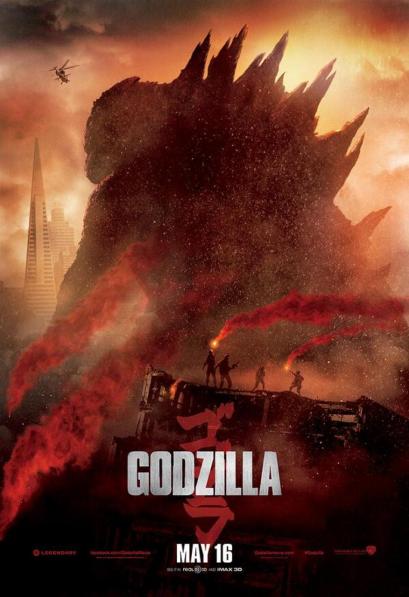
 Godzilla has always seemed to have some trouble when Hollywood takes the reins. 1998’s misguided spectacle is the pinnacle of this. Gareth Edwards and his team opted to take a step back. They did not, of course, go with the “Man in Rubber Suit” approach…but their digital Godzilla is far more in line with the traditional Godzilla.
Starting in 1999, there is a mysterious and horrifying event at a nuclear power plant in Janjira, Japan. American employee Joe Brody (Bryan Cranston) loses his wife (Juliette Binoche) in the event, while his relationship with his son Ford becomes estranged as the years pass and Cranston’s obsession with the accident grows. In 2014, Ford is in the military and returning home to his wife and son. He gets a call that his father (still in Japan) has been arrested. The location of the event is off limits to the public, due to claims of radiation. Joe convinces Ford to explore Janjira one more time…and they discover a a secret research facility and some large monster referred to as a Muto that appears to be in hibernation. Of course, it wakes up and starts seeking it’s other half.
This results in the awakening of something else that comes in to fight these giants. You know…Godzilla. Godzilla is setup in this film as the hero, with no questions by the end of how people see him.
Edwards takes a very slow reveal approach. This serves the film well, making it very satisfying when the audience gets to see Godzilla in full monster lizard glory. At the same time, the film’s primary focus is on Ford and nurse (and wife) Elle. And honestly? They are tremendously boring characters. So, when the film does not have Cranston or Ken Watanabe or Godzilla on screen, things get dull fast.
The opening credits are really nicely done, giving the audience old news reels indicating the existence of monsters…we get brief hints of Godzilla (mostly his back-plates) and evidence the military attempted to kill him.
Overall, the story is pretty simple, giant monsters appear and fight and cause destruction. It is a fairly strong attempt to capture the feel of older Godzilla films, and in some ways does it smashingly well. It is the centering of Ford and Elle that lacks any emotional punch that is needed in a film like this. What makes it a bit more disappointing is Cranston and Binoche do have chemistry that makes them compelling…and they pull it off in about ten minutes of screen time.

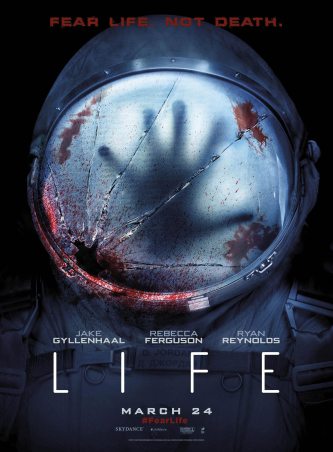 A sci-fi thriller set aboard the International Space-station, Life is a competent film. The effects are good enough to allow for suspension of disbelief. The cast is quite likeable. The story is uncomplicated.
 In 1976, we saw the first King Kong Remake. Producer Dino De Laurentiis had this made amid legal hassles over who actually owned the rights to King Kong. The setting is moved to the 1970’s and it is a new batch of characters. Fred Wilson is an oil executive trying to reach the newly discovered Skull Island. He is certain it will be a treasure trove of fossil fuels. Jack Prescott is a primate paleontologist who stows away. He ends up being used as the staff photographer. Finally, the freighter comes upon a raft with the unconscious Dwan, a beautiful young blonde.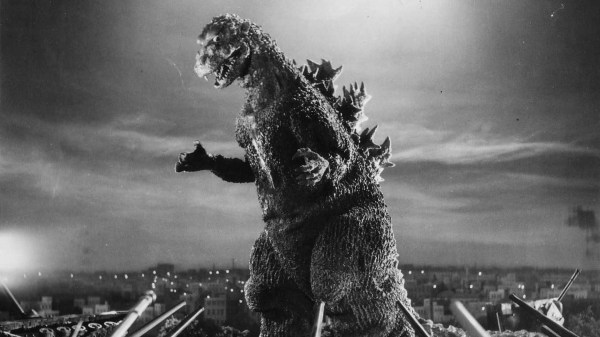
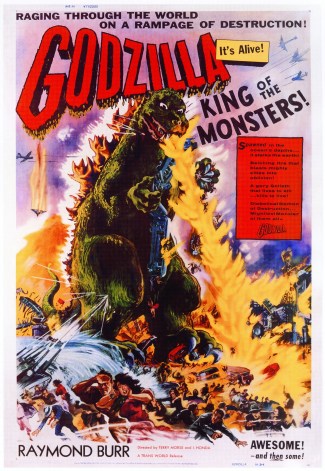 Filmmakers wanted to bring Godzilla to American audiences, and what they thought Godzilla needed was a white guy’s perspective. Godzilla: King of Monsters was not so much a remake as it was a revision of the original film. Adding footage of Raymond Burr, the film becomes a narrated flash black.
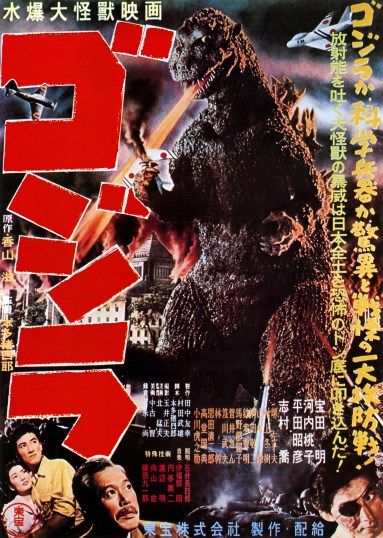 In 1954 with fears of nuclear annihilation feeding filmmakers hearts, it is no surprise Japan provided the most memorable monster of all.
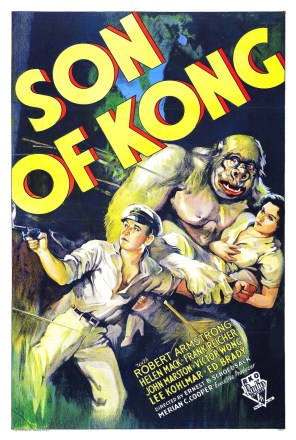 King Kong was quickly followed up by Son of Kong.
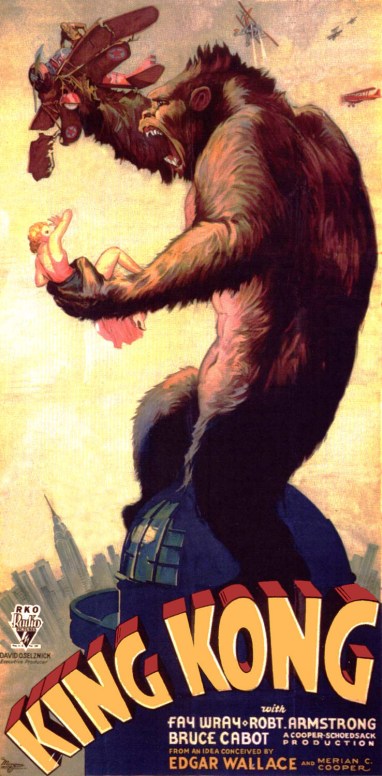 In 1933, Merian C. Cooper began making giant ape movies. King Kong still stands as the most memorable. Carl Denham is committed to make an epic film on the newly discovered Skull Island. Bring his cast and crew, they discover horror as Ann Darrow is kidnapped by the native people and sacrificed to Kong.
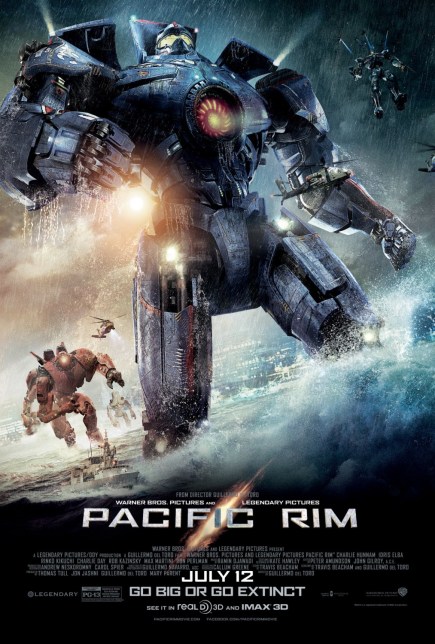 Guermillo Del Toro is a man of unique vision. He always has his own take on traditional monsters. In Cronos, he tackled vampires in a heartbreaking tale of a grandfather who finds a mysterious device. Both Crimson Peak and the Devils Backbone are period pieces focusing ghost stories where humans are the truly frightening characters. And so we find that del Toro’s love letter to Japanese giant Monster movies and Anime mech cartoons and brought together with his own vision.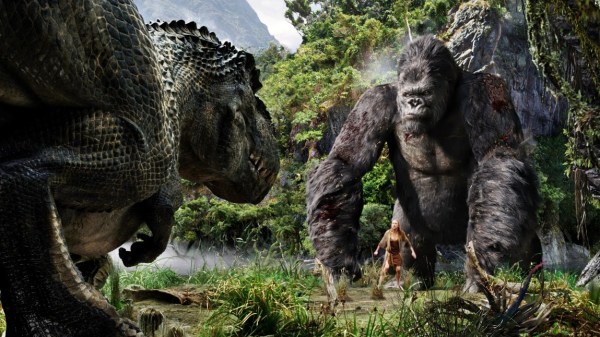
 Following the smashing success of the Lord of the Rings films, Jackson had the cred to get a pet project off the ground. A remake of 1933’s classic King Kong. He wanted to make an epic, and it is far from the cheesey camp of the 1976 film starring Jessica Lang, Jeff Bridges and Charles Grodin.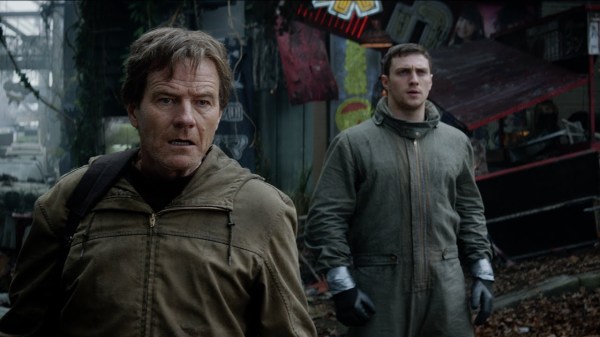


 Tripping Through Gateways