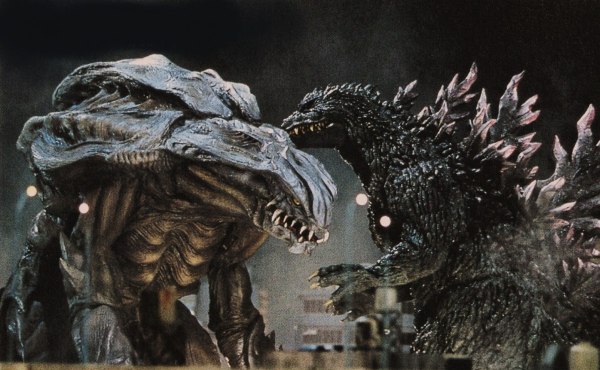
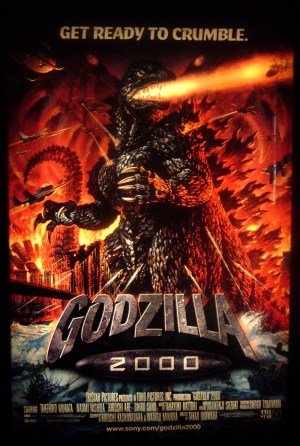
 Right on the heels of the failed American-Zilla Toho answered back with…well, the most Traditional Godzilla they could imagine. No computer generated lizard here (though, there are plenty of digital effects). Just a good old man in a suit. Unlike Godzilla 84, this is much lighter fare.
Godzilla 2000 follows a young photo-journalist who is forced by her editor to ride along with a father daughter team who run the GPN, or the Godzilla Prediction Network. Apparently, Godzilla is as sort of predictable as thunderstorms.
Elsewhere, scientists are researching a large meteor found deep in the Japan Trench. It turns out to be a spaceship which, once, raised to the surface comes back to life. This culminates in a massive battle between Godzilla and the alien within.
After Godzilla 1984, the franchise went back to the more popular “Godzilla Fights Other Big Monsters” approach. This pretty much works here. The overall tone is light, with characters being over the top to silliness. Generally, the effects work. There are some moments that seem simple errors were made. One specific example is as the GPN are fleeing Godzilla and the green screen effect makes it appear that Godzilla is growing larger and larger.
For what it is, Godzilla 2000 is a perfectly entertaining diversion.
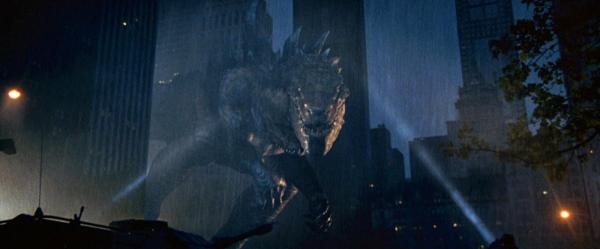
 Instead of just re-editing existing films, American studios got the rights to produce an actual American Godzilla feature. And so, being an American feature, they thought they should rebuild Godzilla from the ground up. So we get a totally new look for Godzilla. But in the end, we get something that kind of looks like Godzilla, but not really.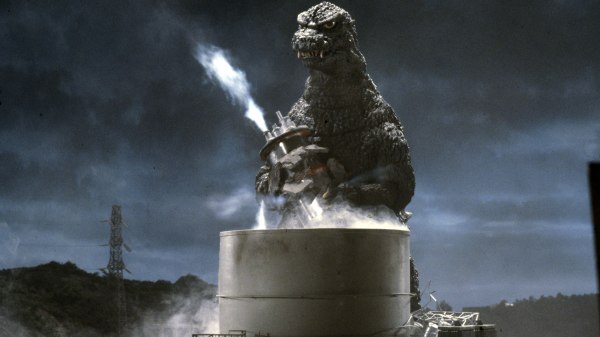
 This Godzilla film was released with a few different titles. Return of Godzilla, Godzilla 1984, Godzilla and Godzilla 1985 (The American Edit). The American Godzilla 1985 brings back Raymond Burr’s Steve Martin. But if you watch the original version of the film (Godzilla 1984 or Return of Godzilla) you will not deal Burr at all. This review is of the original Japanese version of the film.

 King Kong Escapes features King Kong fighting a robot version of himself created by an evil organization bent on taking over the world. The leaders of this plot are Madame Piranha (Japanese Version)/Madame X (the American version) and a guy named Dr. Who. While the evil organization perfects Mechakong, an American/Japanese team is hunting for the real Kong, seeking him on Mondo Island.
 A direct sequel to 1976’s remake of King King, we discover that that Kong did not die from being shot up and falling from a tall building. He merely went comatose.
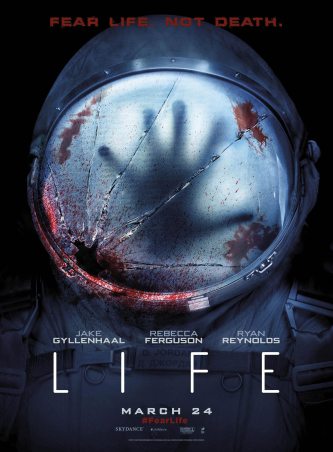 A sci-fi thriller set aboard the International Space-station, Life is a competent film. The effects are good enough to allow for suspension of disbelief. The cast is quite likeable. The story is uncomplicated.
 In 1976, we saw the first King Kong Remake. Producer Dino De Laurentiis had this made amid legal hassles over who actually owned the rights to King Kong. The setting is moved to the 1970’s and it is a new batch of characters. Fred Wilson is an oil executive trying to reach the newly discovered Skull Island. He is certain it will be a treasure trove of fossil fuels. Jack Prescott is a primate paleontologist who stows away. He ends up being used as the staff photographer. Finally, the freighter comes upon a raft with the unconscious Dwan, a beautiful young blonde.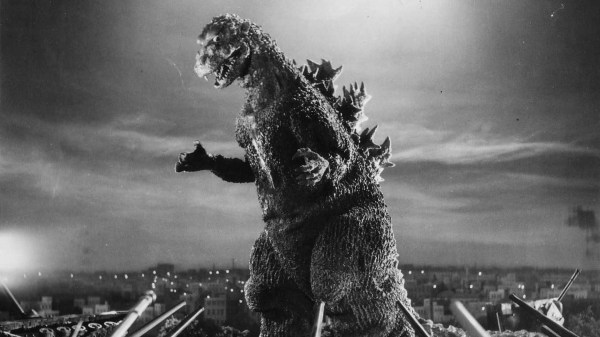
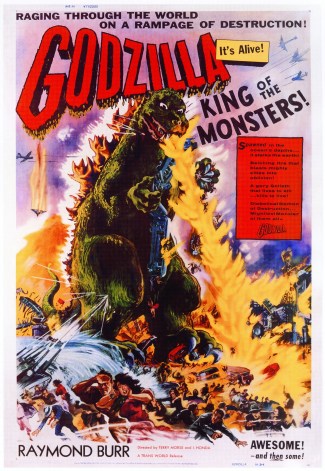 Filmmakers wanted to bring Godzilla to American audiences, and what they thought Godzilla needed was a white guy’s perspective. Godzilla: King of Monsters was not so much a remake as it was a revision of the original film. Adding footage of Raymond Burr, the film becomes a narrated flash black.
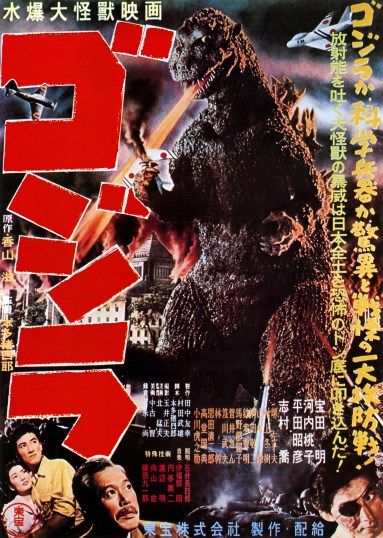 In 1954 with fears of nuclear annihilation feeding filmmakers hearts, it is no surprise Japan provided the most memorable monster of all.
 Tripping Through Gateways