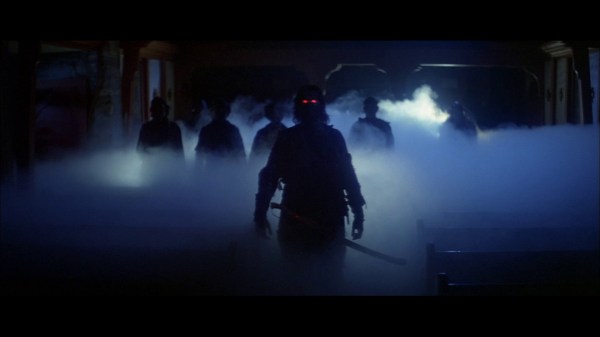
 After two TV movies, John Carpenter returned to the screen with an old fashioned ghost story. Telling the tale of small seaside town Antonio Bay, the Fog follows events leading up to their Centennial. The town is planning to celebrate the near mythic four founders of the town. In the days leading up, there are mysterious events. Add a dense, unnatural fog. The Fog is not the scary part…there is something in the fog. Something cruel and angry.
Only a few townspeople know the true history. Father Malone is a tortured priest who has kept the secret. And the rest of the town continues on oblivious, writing off his warnings. But people are starting to discover some bizarre incidents. They find a ship that appears abandoned, until they find a sea ravaged body. A body that gets up once on land. There are knocks at doors, but there is nothing there. When the fog finally overtakes the town, the vengeful spirits start to decimate the town, while some race to save others.
This is a wonderfully classic haunting story. The characters are interconnected by the narration of Stevie Wayne, the local DJ who works in a converted lighthouse (it is, of course, related to the horrific history of Antonio Bay). As Stevie, Adrienne Barbeau has a sexy and raspy tone. Stevie is a single mother who is separated from her son, and her only way to communicate the threat is to keep talking on the radio. She also has a playful and flirtatious relationship with weather man Dan (Carpenter regular Charles Cyphers). Their relationship is entirely over the phone, but it is engaging.
Tom Atkins (always welcome in any film) is rugged local Nick Castle who picks up hitchhiker Elizabeth (Jamie Lee Curtis, returning from Halloween). They end up trying to save people after hearing Stevie over the radio. Hal Holbrook’s weary priest is a great performance.
The effects are so simply that they impress. The fog crawls through forests, engulfs houses and the ghosts hidden within are emphasized by eerie back lighting. Carpenter has filled the film with many great little touches, such as using the scenery of the town as a character all its own.
If you want a great and classic ghost story? You won’t go wrong with the Fog.

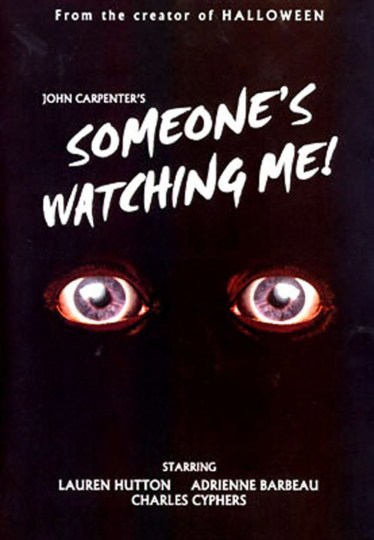 The same year Carpenter unleashed Halloween, he wrote and directed this television thriller. Lauren Hutton is Leigh Michaels, a television producer, new to Los Angeles. She moves into a high-rise apartment and then starts to receive ominous calls from a creepy voiced stranger who seems to know a lot about her. She has an ex who won’t give up and is trying to start a relationship up with a new man.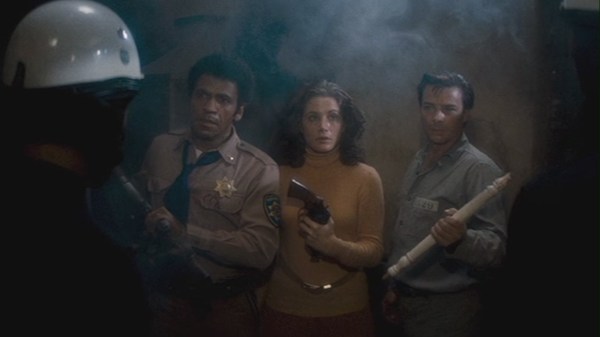
 After Dark Star, Carpenter made one of his few films outside his standard horror and Sci-Fi genres. Assault on Precinct 13 is a gritty action film about a group of cops holed up in a Precinct that is about to be closed. A gang has attacks with the express purpose of killing someone that is locked in the precinct. Cops and criminals must unite to survive the night.
 This is a pretty slick and glossy remake. It begins much like the original, right down to the Stepfather clearing a fogged up mirror and shaving off a bushy beard. It is a little extended, but the idea is the same. Admittedly, it was a pretty iconic moment, and I get wanting to use it again.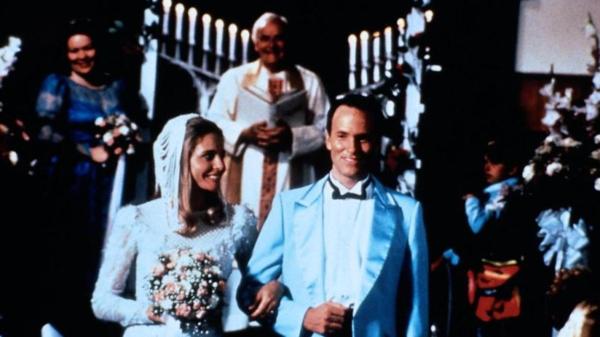
 While planning to make a third film, the filmmakers ran into a little snag. Terry O’Quinn turned them down. To be fair, he had a pretty television and film schedule going in 1992, so it may have been a scheduling issue. They ended up casting Robert Wightman (John Boy on the Waltons). To explain why he looks so different (and still living after the second film) he visits an underground plastic surgeon and gets his face changed.
 Terry O’Quinn returns in this sequel that finds a healed Jerry in a high security mental institution. He eventually breaks out and assumes the role of psychologist Gene Clifford (which will turn out to be a poor choice later in the film for a pretty obvious reason). While leading a therapy group for divorced women, he finds Carol Grayland (Meg Foster) and her son Todd (the late Jonathan Brandis). He starts building a relationship with them while her friend Matty (genre veteran Caroline Williams) starts to look into Gene’s background.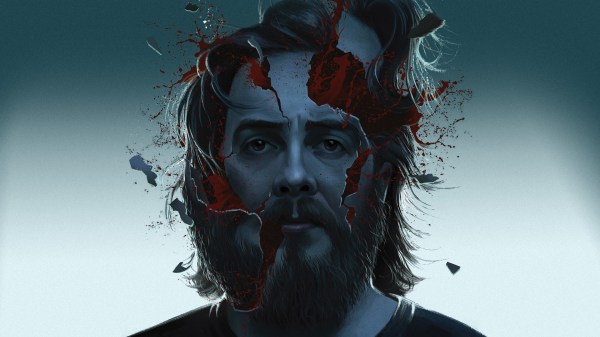
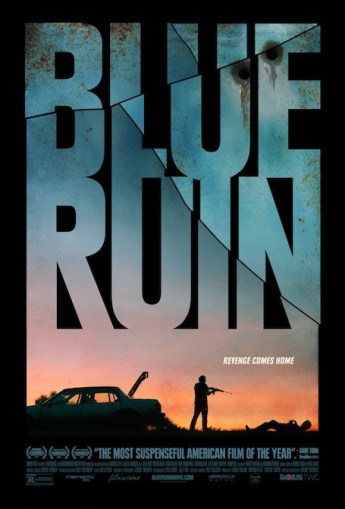 Director Jeremy Saulnier creates a savage tale of revenge and the downward spiral it creates with Blue Ruin. Blue Ruin begins with Dwight being freed from prison. Her returns to his childhood home and estranged family. He is there for revenge, but when his attempts as an assassin go a bit awry, it all escalates.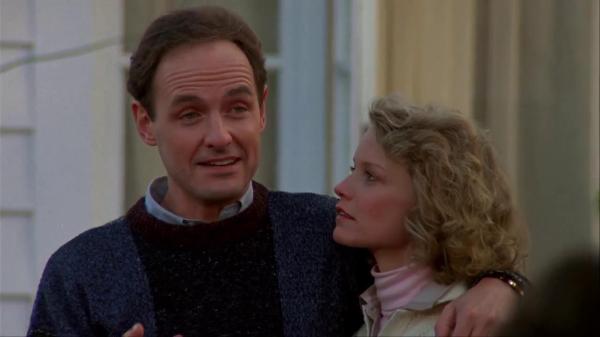
 A lot of People discovered Terry O’Quinn on lost. But horror movie fans discovered him back in 1987 when he played Jerry Blake, the titular Stepfather.
 Tripping Through Gateways