
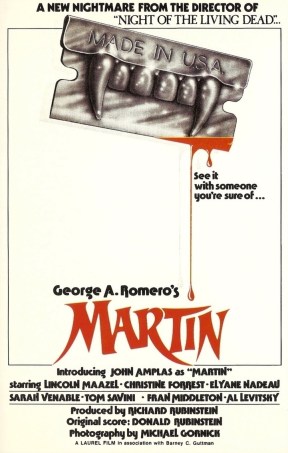
 Martin is one of the more interesting vampire films of the 70’s. Martin believes himself to be a vampire. It does not help that his family feeds this belief. He has faced exorcisms and now is being sent to live with his cousin Cuda. Cuda calls Martin Nosferatu and has filled his house garlic and crosses. Cuda’s daughter is less impressed with the family’s old world beliefs.
As he approaches his first victim in the film, he gets flashes in black and white that show his perception. He envisions entering a room and being welcomed by a beautiful woman in lingerie. The reality is she is wearing face cream and in a mundane robe. And rather than reach out to him, she is understandably horrified. There are flashbacks to his past as well (also in black and white). These are very effective ways of bringing the viewer into the mind of Martin.
Martin is also haunted by the voice of a relative who was believed by the family to be a vampire as well, and had committed suicide. Presenting a evidence for the viewer that Martin is not a supernatural being is his lack of fangs. He attains his blood not through entrancing his victims, but drugging them. He has no fangs, rather uses a razor blade to draw blood. Martin claims he is 84 years old, but there is no evidence to back this up. He has no physical reaction to the traditional weapons of garlic or crucifixes.
Cuda represents the old school, classic vampire film, but he is trapped in a modern and faithless world of vampires. The final act of the film is Martin discussing his vampirism with a talk radio host using the name “The Count”. This is juxtaposed with Martin’s mundane life, as he laments how hard it is to choose a victim.
The film ends both tragically and ambiguously, with voices on the radio asking what has happened to the Count. Martin is a strong entry into the world of Vampire Cinema. Romero explores the vampire myth through skeptical eyes, which really works in the film’s favor,

 The Freeling family have a good life. Steve and Diane have three children. One evening they are awakened by their youngest, Carol Anne, who is talking to the TV.
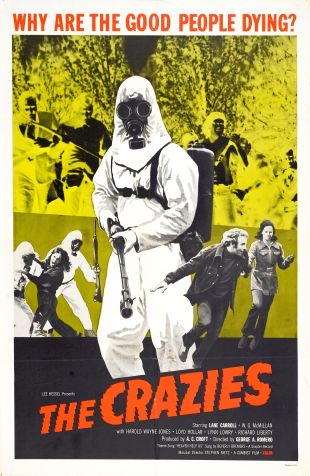 Not unlike Night of the Living Dead, the Crazies presents a situation in which our loved ones may be the biggest threat. Unlike his first film, of course, the threat is solely from the living.
 Originally made as “Hungry Wives” (which sounds more like some sexploitation film), the title of Season of the Witch was chosen to tie in to the Donavon song of the same name (which is used in the film). It is also a much more apt title.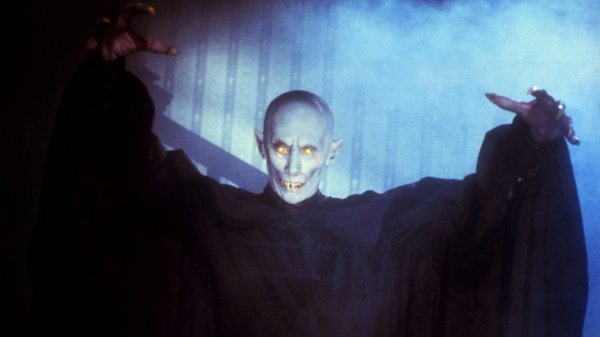
 Hooper’s first Stephen King adaption, Salem’s Lot is a pretty straightforward vampire story. Popular writer Ben Mears has returned home to Salem’s Lot. But Mears is not the only person arriving in town. The mysterious Mr. Barlow and his employee Mr. Straker have arrived. Nobody has met Barlow, but he is taking up residence in the old Marsten House.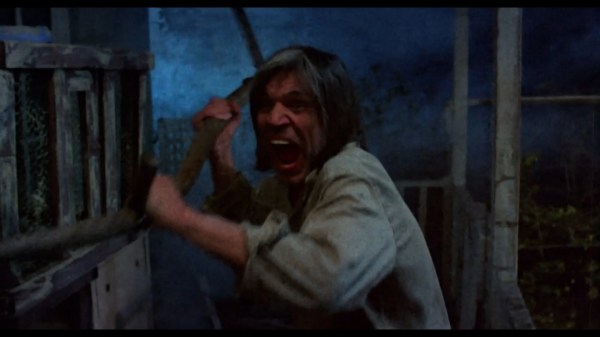
 Tobe Hooper followed up his classic horror the Texas Chainsaw Massacre by traversing similar ground but in a different way. Set in rural Texas, Judd runs the local Starlight Hotel. It is a remote location, with its own swamp. And in that swamp? Judd keeps a giant crocodile. And guess what he feeds it?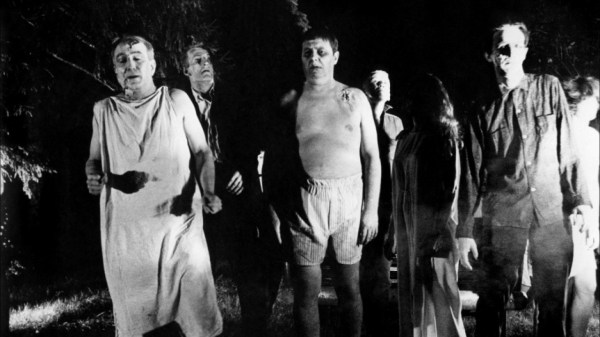
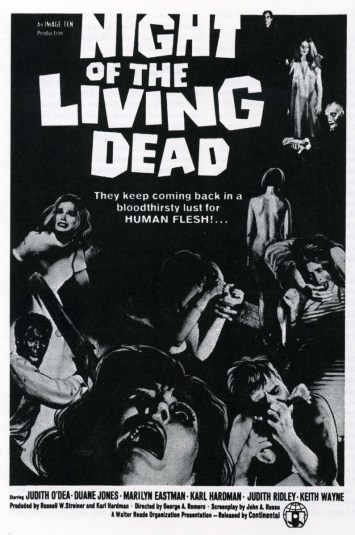 1968 was a time of real social upheaval in the United States of America. Out of this turmoil was born a tale of people desperate to survive in a situation they cannot hope to make sense of.

 Tripping Through Gateways