
 Being set in sixteenth century Japan, some might question including this film in my series on westerns. But having run through the Magnificent Seven films, not looking at the film that inspired them, that created one of the most memorable western motifs seemed downright criminal.
A small mountain village is being raided by bandits and after they leave, the town sends out a party to find help.
They find Kambei, an older Ronin and watch him save a baby from a thief. While he is not initially interested in helping them, he relents and assembles six more Samurai to both teach the villagers and help them defend the village.
Kurosawa had apparently planned to make a film about a “day in the life of a Samurai” before research brought him to a story about Samurai helping farmers. And thank goodness for that. Because Seven Samurai is a pleasure to watch. It is humorous, exciting and touching.
Clocking in at three hours, we get to know the Samurai very well. We see their friendships (both with themselves and the villagers) grow. A beautifully shot film, Seven Samurai is a masterpiece that has and will continue to influence cinema.
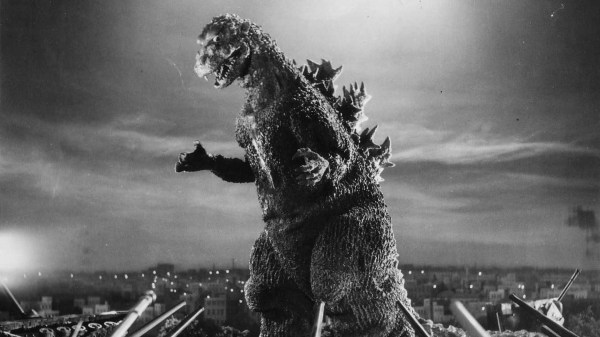
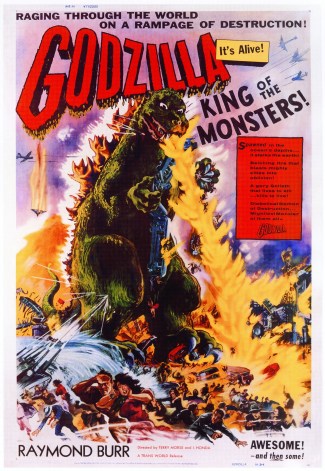 Filmmakers wanted to bring Godzilla to American audiences, and what they thought Godzilla needed was a white guy’s perspective. Godzilla: King of Monsters was not so much a remake as it was a revision of the original film. Adding footage of Raymond Burr, the film becomes a narrated flash black.
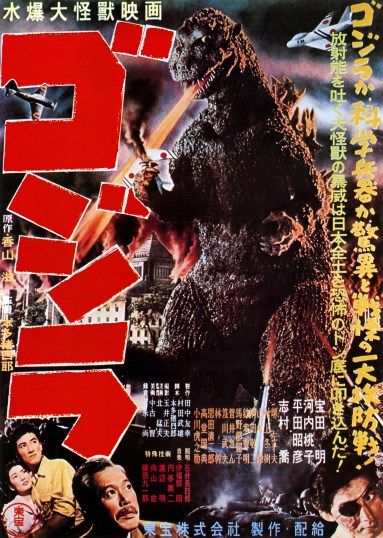 In 1954 with fears of nuclear annihilation feeding filmmakers hearts, it is no surprise Japan provided the most memorable monster of all.
 Tripping Through Gateways