
 King Kong Escapes features King Kong fighting a robot version of himself created by an evil organization bent on taking over the world. The leaders of this plot are Madame Piranha (Japanese Version)/Madame X (the American version) and a guy named Dr. Who. While the evil organization perfects Mechakong, an American/Japanese team is hunting for the real Kong, seeking him on Mondo Island.
In the Toho Studio world of Kong, he lives on two different islands. In King Kong vs Godzilla he is found on Faro Island…in this film it is Mondo Island. Neither sound quite as good as Skull Island.
King Kong Escapes is pretty much an embarrassment to watch, though it might be good fodder for MST3K. The performances are standard for giant monster films, nothing unique there. But even by “Rubber Suit” standards, the approach that can work so well for Godzilla just looks freakish here. And the fact that they made this five years after King Kong Vs. Godzilla and the suit does not have any evidence of being updated…does not inspire much hope. Ridiculously, anytime King Kong is holding on to someone,whenever it is not a close-up, the person is obviously a small action figure. There is little effort to hide this.
The story just feels silly having a James Bond-like villain seeking to take over the world that Kong has to stop. Really, movies like this depend mightily on the viewer’s suspension of disbelief. And the flaws are far to large to be able to ignore for that.
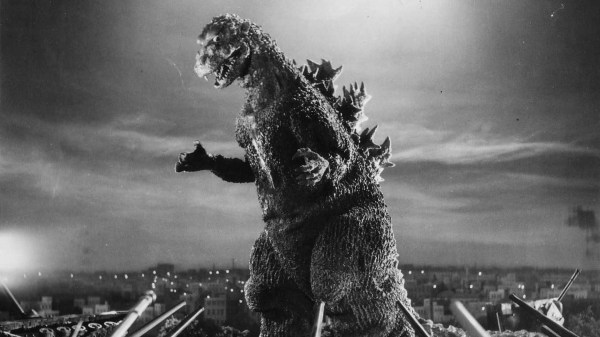
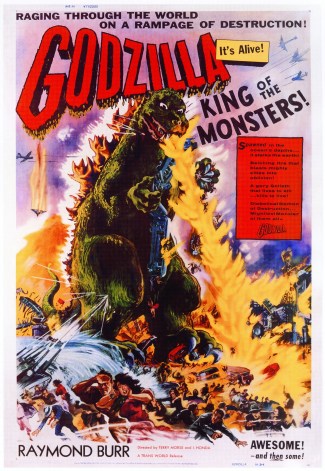 Filmmakers wanted to bring Godzilla to American audiences, and what they thought Godzilla needed was a white guy’s perspective. Godzilla: King of Monsters was not so much a remake as it was a revision of the original film. Adding footage of Raymond Burr, the film becomes a narrated flash black.
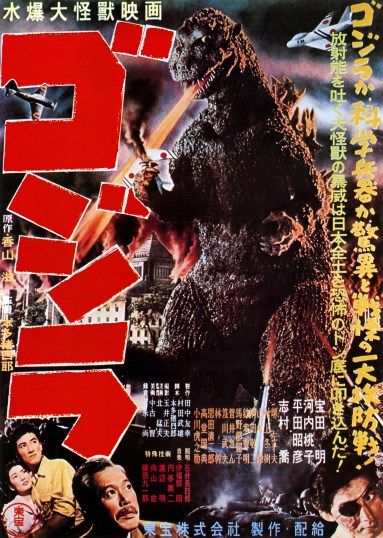 In 1954 with fears of nuclear annihilation feeding filmmakers hearts, it is no surprise Japan provided the most memorable monster of all.
 Tripping Through Gateways