
 Dani and Christian’s four year relationship is dying out, but neither has the strength to end things, especially after Dani faces a horrifying tragedy. They are invited by a friend, Pelle, to visit his home land for a unique festival. Christian and Dani are joined by Josh and Mark and the five make their way to Sweden.
What seems to be a fun time of hallucinogenic experiences and communal partying, turns out to be a frightening series of trials.
Midsommar is the second film from Ari Aster. Hereditary was a masterpiece of dread and so the question became…could he manage it a second time? Well…yeah. Right from the start, this film pummels the viewer with the pain and heartbreak Dani is having to confront.
When we arrive in the small and remote Swedish village, it seems almost mythically wholesome. Everyone is kind and friendly. They want to share their celebration. But as the film progresses, things begin to become unnerving and the film starts build the sense of dread. The threat is real and horrifying.
The characters are compelling. This is due more to what we experience than what we learn about their background. Really, the only Dani, Christian and Pelle get much history. But William Jackson Harper and Will Poulter both turn in performances that allow you to care about what happens to them.
But Florence Pugh really shines as she runs the gamut of broken pain and grief and joys.
Visually, the film is gorgeous. The setting really draws you in, even when you know something terrible is bound to happen.
Aster really has impressed me with both of his efforts and I look forward to his next exploration in horror.
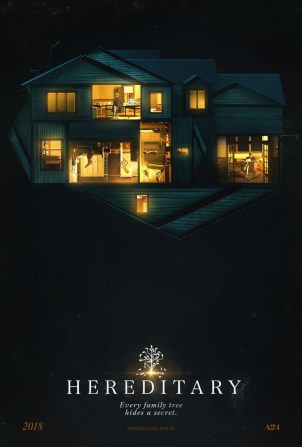 Hereditary opens with a family preparing for a funeral. Annie’s mother has died. Much like Annie, the film feels…distant from this event. we learn that she was, in fact often struggling in their relationship. And death has not changed that.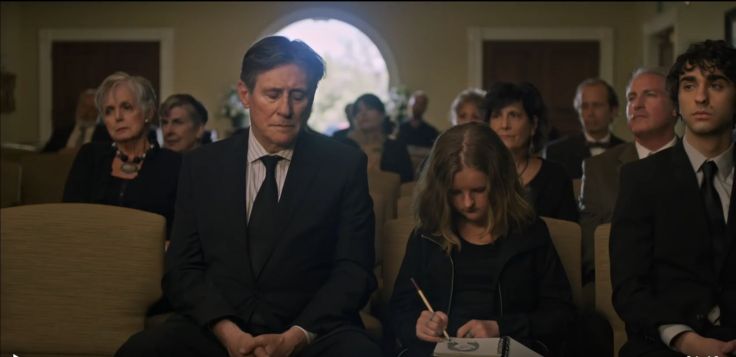
 Tripping Through Gateways